
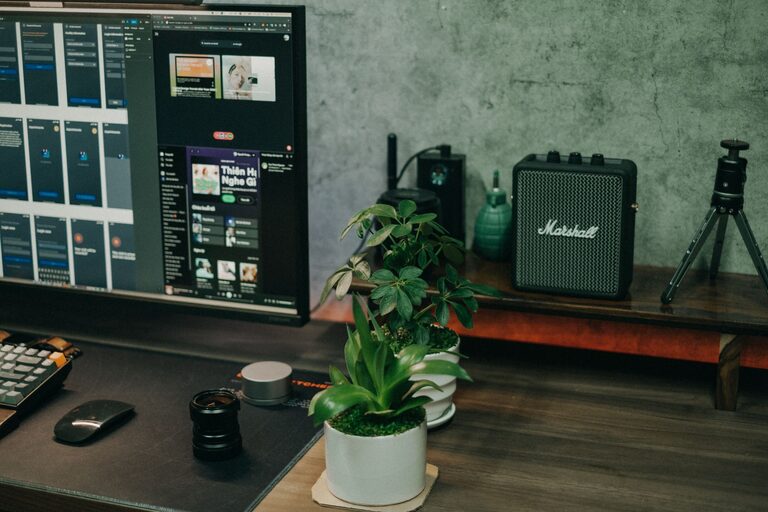
Creating a relaxing home office environment is essential for anyone working remotely or spending significant time at home working. A well-designed workspace not only boosts productivity but also improves overall well-being by reducing stress and fostering focus. In this post, we’ll explore practical tips and ideas to help you create a comfortable, calm, and effective home office space.
Why a Relaxing Home Office Matters
Working from home can blur the lines between personal and professional life, leading to distractions, burnout, or decreased motivation. A relaxing environment helps you stay organized, keep distractions at bay, and maintain mental clarity. This balance supports both your output and your physical and emotional health.
—
Choose the Right Location
Select a Quiet Spot
Choose a space in your home with minimal noise and foot traffic. This can be a spare room, a quiet corner, or even a nook near a window. Good acoustics help reduce stress and improve concentration.
Natural Light is Key
Position your desk near a window to benefit from natural daylight. Exposure to natural light regulates your internal clock and boosts mood and alertness. When natural light isn’t available, use adjustable, warm LED lighting to create a cozy atmosphere without glare.
—
Invest in Comfortable and Functional Furniture
Ergonomic Chair and Desk
Support your body with an ergonomic office chair that encourages good posture. Your desk height should allow your arms to rest comfortably with elbows at a 90-degree angle. This setup helps prevent back and wrist pain during long work hours.
Keep It Adjustable
If possible, invest in a sit-stand desk or an adjustable workstation. Changing posture during the day reduces fatigue and improves circulation, which positively affects productivity and well-being.
—
Personalise Your Space Wisely
Minimal Clutter
Keep your desk clean and clutter-free to avoid distractions. Use organizers, shelves, or drawers to store documents and supplies. Less clutter makes it easier to focus and adds to a relaxing atmosphere.
Add Plants
Bringing greenery into your home office can reduce stress and increase creativity. Choose low-maintenance plants like succulents or spider plants to brighten the space and improve air quality.
Meaningful Decor
Choose art, photos, or decorative elements that inspire and calm you without overwhelming the senses. Soft colours, nature-themed prints, or calming objects can add personality while fostering relaxation.
—
Manage Sound and Ambience
Use Noise Control
If background noise is unavoidable, try noise-cancelling headphones or white noise machines. Alternatively, soft instrumental music can promote focus without being distracting.
Adjust Temperature and Airflow
Maintain a comfortable temperature in your workspace, ideally between 20 to 22 degrees Celsius (68-72°F). Fresh air or a small fan can help keep you alert and comfortable.
—
Organize Technology and Cables
Simplify Your Tech Setup
Limit the number of devices on your desk to the essentials like a computer, keyboard, mouse, and a phone charger. This reduces visual distractions and helps you concentrate.
Cable Management
Use cable organizers or clips to keep wires tidy and out of sight. A clean setup reduces stress and makes your workspace safer and more inviting.
—
Incorporate Break and Movement Areas
Create a Zone for Breaks
If space allows, have a small area reserved for taking breaks—such as a comfy chair or a yoga mat. Stepping away briefly from your desk can recharge your mind and prevent burnout.
Add Movement Reminders
Set reminders to stretch, stand, or walk around every hour. Regular movement improves circulation, reduces stiffness, and re-energizes you for better productivity.
—
Maintain Healthy Habits in Your Home Office
Stay Hydrated and Nourished
Keep water nearby and opt for healthy snacks. Staying hydrated and nourished supports brain function and energy levels throughout your workday.
Set Clear Boundaries
Set specific work hours and define when your workday begins and ends. This helps to mentally separate work time and personal time, reducing stress and improving work-life balance.
—
Final Thoughts
Designing a relaxing home office environment is an investment in both your productivity and well-being. By choosing the right location, using ergonomic furniture, personalizing your space thoughtfully, managing noise and temperature, organizing technology, and incorporating movement and breaks, you create a workspace that supports your best work and healthy habits.
Start small, and adjust your office setup gradually to find what works best for you. A calm and organized environment helps you stay focused and energized, turning your home office into a place where you can thrive.