
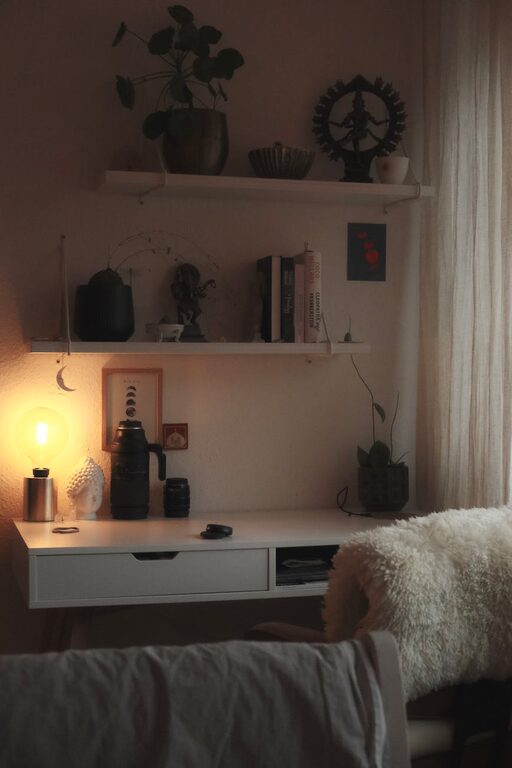
Creating a home office that is both cozy and productive can significantly improve your work-from-home experience. Whether you’re a remote worker, freelancer, or simply need a dedicated space for your tasks, having the right environment helps you focus, reduces stress, and keeps you motivated. Here’s a detailed guide to help you design a home office space that feels inviting yet supports your daily work needs.
Choose the Right Location
Start by selecting a spot in your home that suits your work style. Ideally, this should be a quiet area with minimal distractions. If possible, a room with a door can help separate work from personal life.
– Natural light: Pick a place near a window to benefit from sunlight. Natural light helps boost mood and reduces eye strain.
– Privacy: Ensure you have a sense of privacy to stay focused during calls or deep work.
– Space: Choose a spot where you have enough room for your desk, chair, and any equipment or supplies you need.
Invest in Comfortable and Supportive Furniture
Comfort is crucial for long working hours. A good chair and desk can make a big difference.
– Ergonomic chair: Look for chairs that support your back and encourage good posture.
– Desk height: The desk should allow your arms to rest comfortably at a 90-degree angle.
– Adjustability: Consider sit-stand desks or accessories like monitor stands to change positions throughout the day.
Organize Your Space Efficiently
A clutter-free environment promotes better concentration and productivity.
Declutter Regularly
Remove unnecessary items from your desk and storage areas. Keep only what you use daily within reach.
Use Storage Solutions
Shelves, drawers, and boxes help keep papers, tools, and gadgets organized and out of sight.
Cable Management
Tidy cables with clips, sleeves, or under-desk trays to avoid tangling and improve aesthetics.
Personalize for Comfort and Inspiration
Making the space feel like your own can increase motivation.
– Decorate thoughtfully: Add plants, artwork, or items that inspire you.
– Incorporate soft elements: Use cushions, rugs, or curtains to add warmth.
– Choose calming colors: Soft blues, greens, or neutrals can create a peaceful atmosphere.
Optimize Lighting
Good lighting reduces eye strain and keeps you alert.
– Layer your lighting: Combine overhead lights with task lighting, such as desk lamps.
– Avoid glare: Position monitors perpendicular to windows to minimize screen reflections.
– Warm vs cool light: Cooler light can help focus during the day, while warmer lighting suits late hours.
Minimize Noise and Distractions
Noise and interruptions can reduce your productivity.
– Noise-cancelling headphones: Useful if you can’t control ambient noise.
– Soundproofing: Use rugs, curtains, or acoustic panels to soften sounds.
– Set boundaries: Communicate your work hours with family or housemates.
Maintain Good Air Quality and Temperature
Comfort doesn’t stop at furniture and lighting.
– Ventilation: Open windows when possible to bring in fresh air.
– Air purifiers: Consider one if your space tends to get stuffy.
– Temperature control: Use fans, heaters, or adjust thermostats to stay comfortable.
Plan Your Daily Workflow
A well-organized space goes hand in hand with a good routine.
– Create zones: Designate areas for different activities, like computer work, reading, or brainstorming.
– Use planners or calendars: Keep track of tasks and deadlines visually.
– Take breaks: Step away from your desk regularly to refresh your mind and body.
Technology and Connectivity
Ensure your tech setup supports your work needs smoothly.
– Reliable internet: A strong, stable connection is vital.
– Quality peripherals: Invest in a good keyboard, mouse, and webcam.
– Backup power: Consider a surge protector or UPS for internet and computer safety.
Final Thoughts
Designing a cozy and productive home office is about balancing comfort with functionality. By paying attention to location, furniture, organization, and ambiance, you can create a workspace that helps you stay focused and feel good throughout your workday. Small changes can make a big difference, so start with a few improvements and build your ideal office over time.
Remember, your home office should support your workflow and well-being—making work something you look forward to every day.