
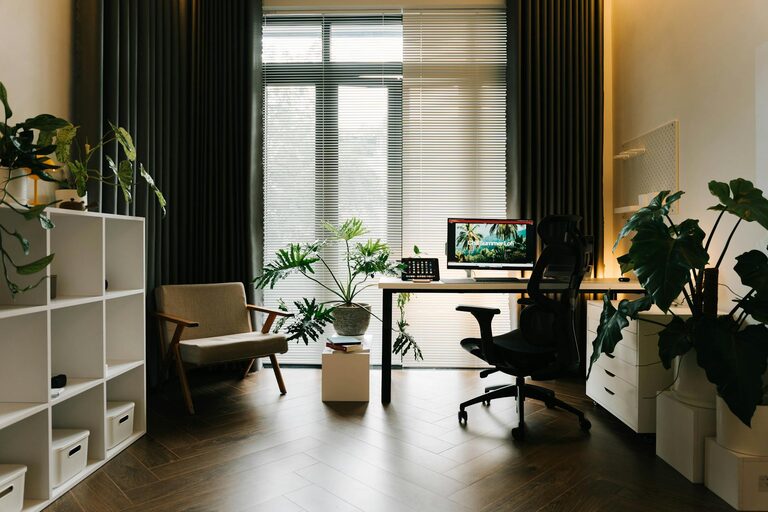
Creating a home office that balances coziness with functionality is essential for staying productive and comfortable while working from home. Whether you are setting up a dedicated room or a corner in your living space, thoughtful design can make a big difference. Here are practical tips to help you design a home office that feels inviting and supports your workflow.
Choose the Right Location
Find a Quiet and Well-Lit Spot
Select a place in your home that experiences minimal noise and distractions. Ideally, it should have natural light, which improves mood and focus. If natural light is limited, invest in good quality task lighting to brighten your space without causing glare on your screens.
Consider Privacy and Accessibility
If possible, pick an area away from busy parts of your home. This helps maintain a professional atmosphere and minimizes interruptions during meetings or focused work sessions.
Invest in Ergonomic Furniture
Comfortable Chair
A supportive chair is crucial. Look for adjustable options that provide good lumbar support and allow you to sit comfortably for extended periods.
Practical Desk
Choose a desk that suits your work style. If space is limited, a compact desk with storage options can keep your essentials organized. Standing desks are also great for variety and improved circulation.
Organize Your Space Efficiently
Declutter Regularly
Keep your workspace tidy by limiting items on your desk. Store rarely used tools and documents in drawers or cabinets to maintain a clean surface.
Use Storage Solutions
Shelves, organizers, and filing cabinets help manage paperwork and accessories. Vertical storage maximizes space without crowding your desk area.
Cable Management
Avoid the mess of tangled cables with clips, sleeves, or under-desk trays. This not only looks better but also reduces hazards.
Personalize for Comfort and Inspiration
Add Personal Touches
Include items that make you feel relaxed and motivated, such as photos, plants, or artwork. Green plants, in particular, enhance air quality and add a natural feel.
Choose Soothing Colors
Soft, neutral colors help create a calm atmosphere. If you prefer bright hues, use them as accent colors to maintain a balanced environment.
Optimize Lighting
Layer Your Lighting
Combine natural light with ambient and task lighting. A desk lamp with adjustable brightness is useful for detailed work without straining your eyes.
Avoid Screen Glare
Position your monitor perpendicular to windows to reduce glare, or use blinds and curtains as needed.
Enhance Technology and Connectivity
Reliable Internet
Ensure your home office has strong and stable internet, especially if you rely on video calls or cloud-based work.
Quality Equipment
Invest in good quality peripherals, such as an ergonomic keyboard, mouse, and headphones for clear communication and comfort.
Incorporate Break Areas
Including a small area to step away from your desk helps refresh your mind. A comfortable chair or a spot by a window encourages regular breaks, which improve productivity.
Maintain Work-Life Balance
Set clear boundaries between work and personal time. When your workspace is distinct and inviting, it becomes easier to switch off after work hours and enjoy your home life.
—
By combining these elements, your home office can become a space that supports both your well-being and work efficiency. Small adjustments, thoughtful organisation, and attention to comfort go a long way towards creating a productive and pleasant environment. Happy decorating!